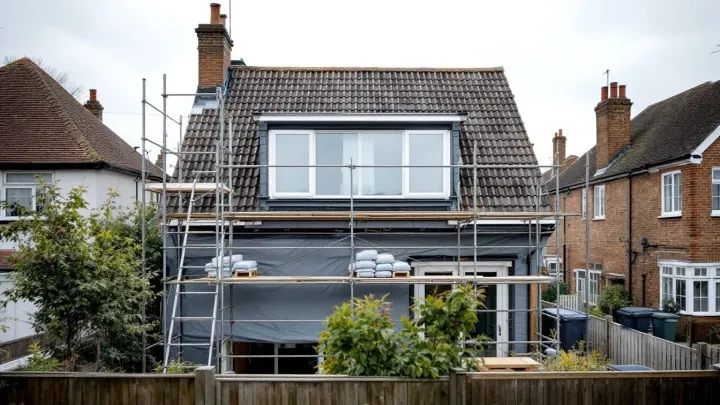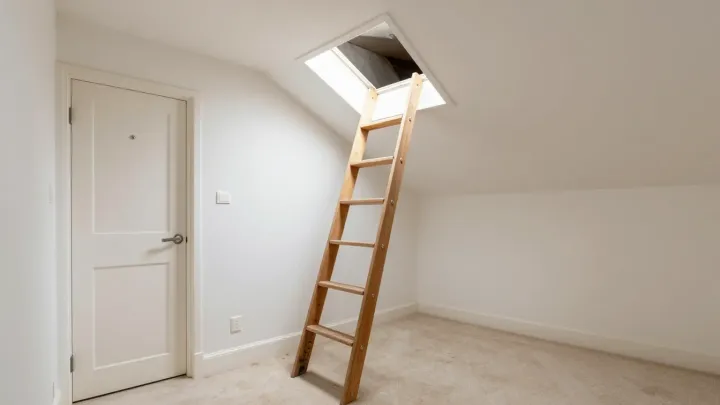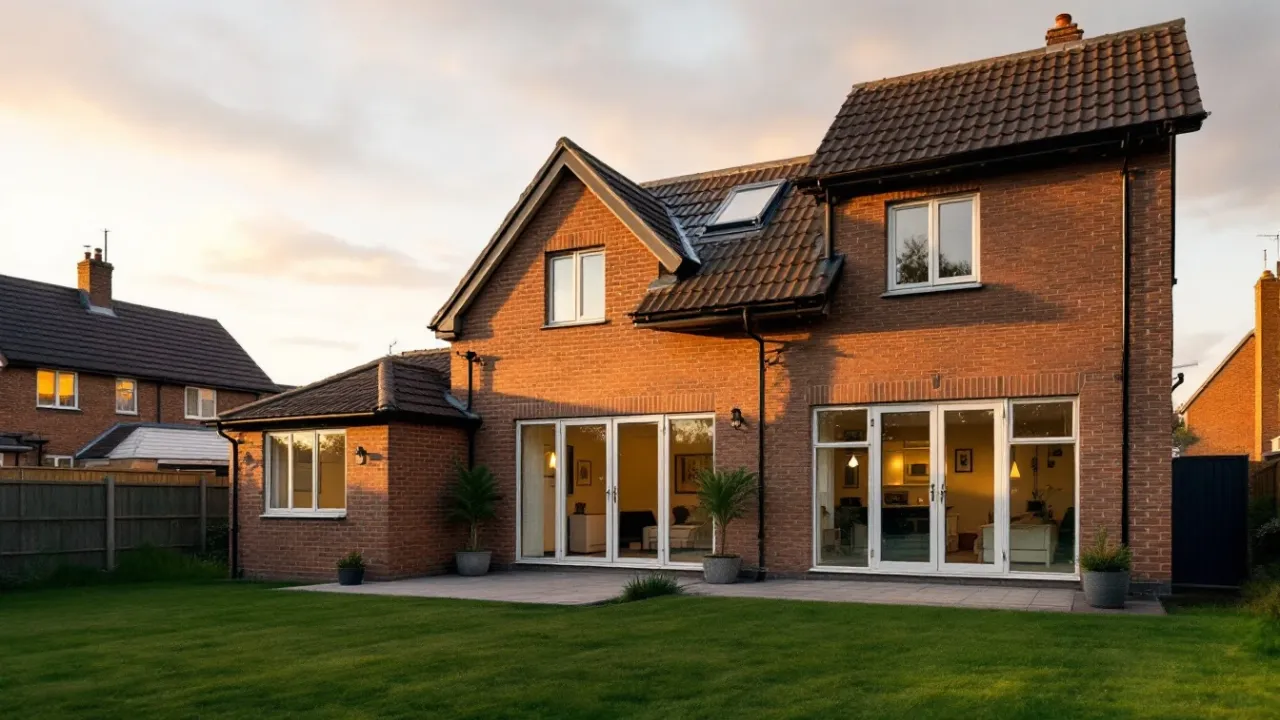
A loft conversion can add significant value, but the gain varies. Nationwide says homeowners who add a loft conversion or extension with a large double bedroom and bathroom can add as much as 24% to the value of a three-bedroom, one-bathroom house. Treat that as a ceiling rather than a promise.
What the Nationwide figure says
In October 2025, the Nationwide House Price Index said: “Homeowners that add a loft conversion or extension, incorporating a large double bedroom and bathroom, can add as much as 24% to the value of a three-bedroom, one-bathroom house.” The data covers October 2024 to September 2025. It assumes an extra 28 m², including a large bedroom and bathroom.
That wording matters. The figure says “as much as”, not “will add”. Your gain could be lower, depending on the street, the house and the standard of the work.
Nationwide’s economist also gave a useful rule of thumb. A 10% increase in floor space, all things equal, adds 5% to the price. This shows that more room helps, but with diminishing returns.
Why a loft adds value
Buyers pay for rooms, not rooftops. A loft turns wasted roof space into a bedroom, and a bathroom makes it more useful. Because family homes with more bedrooms are in demand, the extra room has a market.
A well-planned loft also leaves the rest of the house intact. It does not eat into the garden or the ground floor. For that reason, it often beats a ground-floor extension on cost per square metre.
What raises the return
Some choices help the gain, while others waste it. Think about these points before you design.
- A real bedroom. Buyers count rooms with proper height, a window and a safe stair.
- A bathroom. An en-suite lifts the appeal of the whole floor.
- Good light. Dormers and roof windows make the room feel bigger.
- Storage. Built-in space in the eaves keeps the room tidy.
- Paperwork. Buyers expect approval certificates.
Our loft conversion with en-suite page explains how a bathroom fits into a roof. Adding one typically adds £5,000–£10,000, and more if a new soil stack is needed.
What can cut the return
A badly planned loft can lose value. A stair that eats a bedroom below is a common mistake. A low ceiling that only suits a child can also limit your buyers.
Spending far above the street level rarely pays back. For example, a luxury fit-out in a modest road may not lift the price by the same amount. Match the finish to your area.
Cost is the other side of the sum. Our loft conversion cost guide sets out typical ranges by type. Comparing cost to the likely gain tells you whether the project makes sense for you.
The type of conversion matters
Different types give different amounts of room. A dormer often gives the best space for the money. Our page on dormer loft conversions shows why. Meanwhile, a roof-light conversion is cheaper but gives less floor area.
Our guide to the types of loft conversion compares the options side by side. Pick the type that gives a proper bedroom and a bathroom if you can. That is the combination Nationwide describes.
How to judge your own project
A simple check helps. Ask what a four-bedroom home sells for on your street compared with your three-bedroom one. Then subtract the likely cost of the loft. If the gap is wide, the project probably pays.
If the gap is small, think again. The room may still be worth building for your family. However, the financial case will rest on use and not on resale.
Estate agents can give you this comparison for free. Ask two or three, because their views vary. Their local knowledge beats any national figure.
Common mistakes that waste value
Several mistakes crop up often. Some owners skip approval to save money, and then find the sale stalls. Others build a room with too little height, so buyers cannot count it as a bedroom. A few add a loft without a proper stair, which puts buyers off.
Poor insulation is another trap. A cold, noisy room is hard to sell, and it costs more to run. In contrast, a warm, quiet room feels like part of the home.
Plan the loft as a real part of the house. That means good light, a safe stair, sound insulation and a bathroom if you can fit one. These choices take effort, yet they pay back at sale and in daily use.
Think beyond resale
Value is not only about price. Many owners add a loft to avoid moving. The cost of stamp duty, agent fees and removals can be large, so staying put can be the better deal.
Think about how long you plan to stay. A loft pays back through use as well as through the sale price. Our list of things to consider before a loft conversion helps you weigh this up.
Timing your project
The market moves, but a loft is a long-term upgrade. Do not time the build to a price peak. Instead, build when your family needs the room and you can afford it.
Allow for the whole programme. Design and approvals typically take 2–4 months before any builder starts. Because of that, plan ahead if you hope to sell soon after.
Keep every document in one folder. That includes drawings, engineer calculations and approval certificates. When you sell, a tidy folder reassures buyers and speeds the legal work.
How to fund it
Value only helps if you can afford the work. Many people use savings or borrow against the home. Our guide on how to pay for a loft conversion covers the main routes.
Local examples
Property markets differ by town, so the same loft can add different amounts in different places. Our pages on loft conversions in Cambridge and loft conversions in Guildford look at housing in two high-demand areas. We also cover loft conversions in Watford and loft conversions in Brighton and Hove.
We do not quote local price rises, because we have no verified local figures. Ask a local estate agent for the gap between your three- and four-bedroom prices. That gives the best local guide.
Next steps
Our overview of loft conversions explains how we arrange a project from first enquiry to the finished room. Tell us about your house and the room you want. We will help you plan a loft that earns its place.